
From Diagnosis to Long-Term Neurological Care
Neurological Conditions Commonly Evaluatedguiding treatment through structured neurological care
Dr. Makhija provides evaluation and management for a range of neurological conditions, including epilepsy, sleep disorders, migraines, stroke and movement disorders. Depending on clinical requirements, investigations such as video EEG and polysomnography may be recommended to assess seizure activity and sleep-related conditions. Treatment options may include preventive therapies for migraines, including Botox in appropriate cases, and thrombolysis for eligible stroke patients. Rehabilitation and follow-up care may also form part of stroke management. For selected patients with movement disorders, advanced interventions such as deep brain stimulation may be considered following a detailed clinical assessment. With over a decade of experience at Wockhardt Hospitals, Dr. Makhija focuses on evidence-based care, individualised treatment planning and clear communication to help patients understand their diagnosis and available management options.
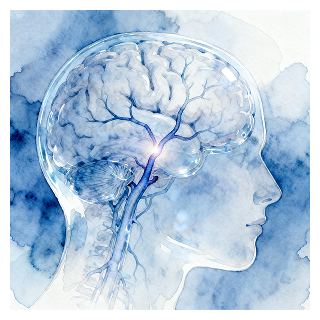
Stroke and cerebrovascular
disorders
Sudden weakness on one side, trouble speaking, facial drooping, or unexpected loss of balance may indicate that blood flow to the brain has been affected. Even brief episodes should be evaluated promptly. Early assessment helps identify what happened, which areas of the brain are affected, and how to reduce the risk of future episodes. Management may include medications, lifestyle adjustments, and rehabilitation strategies to support recovery. Follow-up care ensures that progress is tracked and new concerns are addressed early. The aim is to help patients regain function while minimizing future risks.
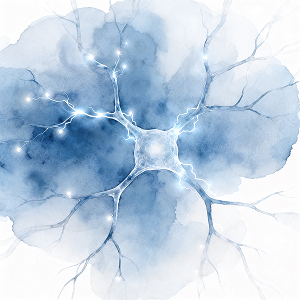
Epilepsy and seizure
disorders
Episodes of shaking, brief loss of awareness, confusion, or blackouts can be alarming and difficult to understand. Identifying the type and triggers of these episodes often involves EEGs or other diagnostic tests to pinpoint the source. Treatment plans are tailored to reduce recurrence and help patients maintain daily routines safely. Follow-up care ensures medications remain effective and adjusted as needed. Families are also guided on how to respond during seizures and support ongoing safety. The goal is predictable management and improved quality of life.
Headache disorders,
including migraine
Persistent or severe headaches, including migraines, can interfere with work, sleep, and daily life. Not all headaches are the same, so evaluating triggers, frequency, and patterns is important to guide appropriate care. Management may include lifestyle changes, medication, and strategies to reduce pain and prevent recurrence. Regular monitoring ensures treatments are adapted as symptoms evolve. By understanding the type and cause of headaches, patients can regain control over daily activities and reduce disruptions.

Movement disorders such as
Parkinson’s disease
Shaking hands, stiffness, slow movements, or balance difficulties can gradually affect independence and confidence. Evaluating these changes helps determine conditions such as Parkinson’s disease or other movement disorders. Management focuses on medications, exercises, and follow-up adjustments to improve mobility and maintain daily function. Coordination with physical therapy and rehabilitation specialists further supports long-term independence. Regular reassessment ensures treatment evolves as symptoms change, helping patients stay active and safe.
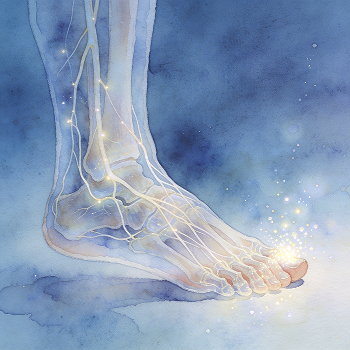
Nerve and muscle conditions,
including neuropathy
Tingling, numbness, burning sensations, weakness, or fatigue can interfere with daily activities. These may arise from peripheral nerves, muscles, or the connections between them. Evaluating which nerves or muscles are involved often includes tests such as nerve conduction studies or EMG. Treatment aims to relieve discomfort, restore function, and improve quality of life. Follow-up care monitors progress and adjusts management as needed. The goal is to help patients regain normal activity levels with confidence.

Memory concerns and
cognitive changes
Forgetting recent events, misplacing items, or struggling with concentration can concern both patients and families. Assessing whether these changes are related to age, stress, medical conditions, or neurological causes may involve cognitive testing and imaging where appropriate. Management can include medications, cognitive exercises, lifestyle guidance, and caregiver support. Regular follow-up ensures timely adjustments and monitoring of changes. The focus is on preserving clarity, function, and independence over time.

Sleep-related neurological
disturbances
Difficulty sleeping, unusual movements during sleep, frequent awakenings, or daytime sleepiness may sometimes be related to neurological conditions. Evaluating sleep patterns and related symptoms helps identify causes such as seizures, movement disorders, or other brain-related factors. Sleep studies may be used when necessary to guide care. Management includes lifestyle strategies, treatment of underlying neurological issues, and guidance for both patients and families. The goal is to restore restful sleep and address any neurological factors impacting rest. Follow-up ensures progress and adjustments as needed.

Unexplained Neurological
Symptoms
Dizziness, fainting, sudden numbness, or sensations that do not fit a clear pattern can be confusing and worrying. Careful evaluation of history, clinical signs, and targeted investigations helps identify possible causes. Sometimes multiple visits or tests are needed to clarify the condition. Follow-up care ensures emerging patterns are recognized and addressed promptly. This approach helps patients better understand what is happening in their bodies and plan next steps safely. The focus is on clarity, monitoring, and informed management.
Neuro-Emergency & Critical
Evaluation
Sudden or severe neurological events, such as acute weakness, sudden confusion, or new seizures, require rapid and structured assessment. Clinical evaluation and evidence-based protocols help determine urgency and guide immediate interventions. This may include coordination with hospital teams and specialist support when necessary. The aim is to stabilize patients, prevent complications, and establish a clear follow-up plan. Timely care can make a significant difference in recovery and long-term outcomes. Patients and families are guided through the process with clarity and reassurance.