
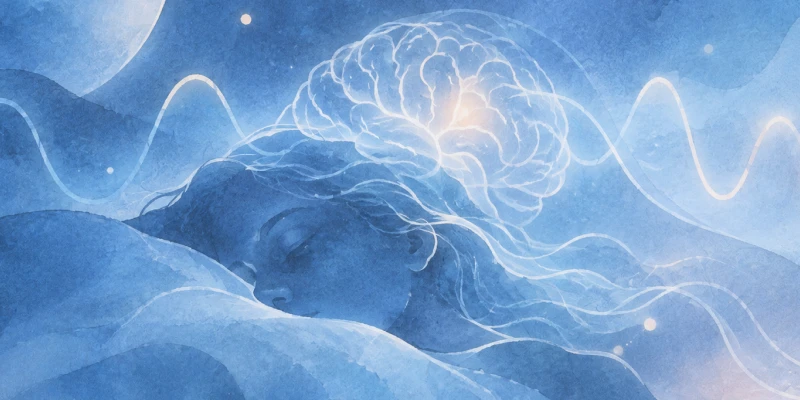
Ever wake up on the wrong side of the bed after a choppy night? Suddenly snapping at your spouse over nothing, feeling anxious about work, or just emotionally off all day? You’re not imagining it. Neurologist Dr. Prashant Makhija sees this connection daily: sleep and mood are best friends or worst enemies. Poor rest doesn’t just tire your body; it scrambles how you feel and react. One bad night, 70% of people report more irritability and impatience the next day. Let’s explore why this happens and how to fix it with simple, real-life tweaks.
Your brain uses sleep as emotional housekeeping time. Deep rest phases process feelings from the day, clear stress chemicals, and balance mood regulators like serotonin and dopamine. Skip that reset, and your emotional control center runs on fumes. Everyday frustrations like a late bus, spilled chai, and many more hit 3x harder. Studies show just one short night doubles negative emotional reactions while halving positive ones. No wonder that single bad sleep spirals into grumpiness by lunchtime.
It’s a two-way trap. Bad moods keep you tossing and worrying about tomorrow’s meeting or replaying arguments. Then poor sleep fuels more anxiety the next day. Dr. Makhija treats Mumbai professionals caught in this: 40% of his stressed patients link insomnia to mood dips. The statistics paint a clear picture: People sleeping under 6 hours weekly face 2.5x higher depression risk. Good news? Better rest slashes those odds dramatically.
Biologically, it’s simple. REM sleep in the dream stage, sorts emotional memories. Deep slow-wave sleep calms your stress response. Cut either short, or you wake reactive, foggy, less patient. Even decision-making suffers; sleep-deprived brains show 30% slower emotional processing. Your colleagues notice the short fuse. Your family feels the tension and everything amplifies.
Most adults need 7-9 solid hours for that full recharge, like charging your phone to 100%. Less than 7 hours most nights? Your mood control weakens. Dr. Makhija explains it to patients: “Think of sleep as emotional armor. Skimp it, and life’s small hits land harder.”
Break the cycle with easy wins that stick. Start with a 5-minute breathing meditation before bed, some apps make it simple. Ditch screens 60 minutes early; that blue light blocks melatonin 3x more than regular light. Turn your bedroom into a cool, dark sanctuary—fans, blackout curtains, earplugs conquer Mumbai noise. Journal three things you’re grateful for; it cuts nighttime worry by 25%. Walk briskly 30 minutes daily—exercise burns stress hormones for calmer evenings. Skip chai after 2pm (caffeine lingers 8+ hours) and late dinners. Lock bed/wake times daily—your body clock stabilizes mood when routine rules.
Dr. Makhija shares a real turnaround: A 28-year-old marketing exec swapped 1am Instagram for 10:30pm lights-out. Within two weeks, her snappiness vanished, work creativity doubled, boyfriend fights stopped. Urban India battles late traffic, neighbor TVs, deadline pressure—but these habits reclaim rest.
Red flags matter too. Always exhausted despite hours? Or moods crash hard? Sleep apnea might steal quality rest—60 million adults worldwide face undiagnosed cases. Chat with your doctor.
Bottom line: Sleep is your daily mood reset button. One good night cuts irritability 40%, lifts happiness 30%. Prioritize 7-9 steady hours, build the habits, watch emotional turbulence fade. Your sharper focus, calmer reactions, warmer relationships start tonight. Small sleep investment, massive mood payoff—your brain built it this way.